Crime fiction and detective book covers

Crime fiction — police procedurals, private investigators, noir and hard-boiled detectives — has one of the most loyal readerships in publishing. Readers want a case, an investigator worth following through a long series and a place that feels real: a rain-soaked city, a remote island, a grim northern town.

Below is how crime covers set that scene, with examples our generator drew for invented books.

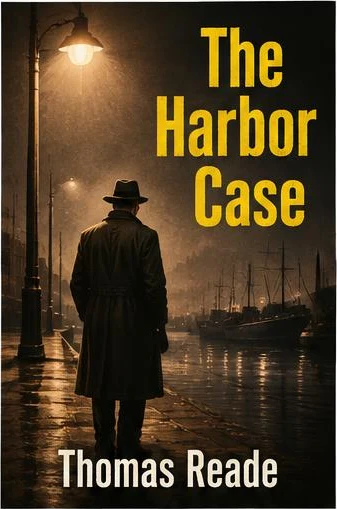
Crime fiction cover: “The Harbor Case” by Thomas Reade
The Harbor CaseThomas Reade
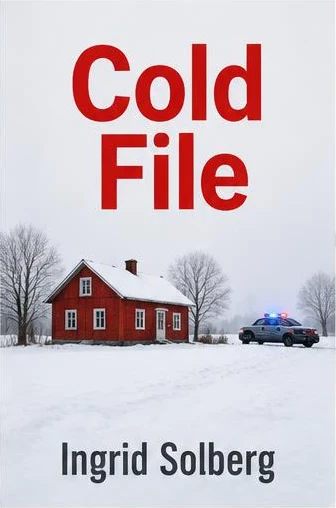
Crime fiction cover: “Cold File” by Ingrid Solberg
Cold FileIngrid Solberg
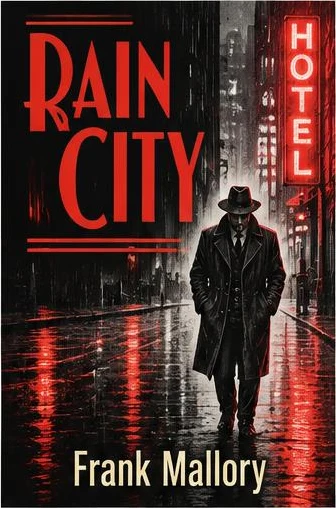
Crime fiction cover: “Rain City” by Frank Mallory
Rain CityFrank Mallory
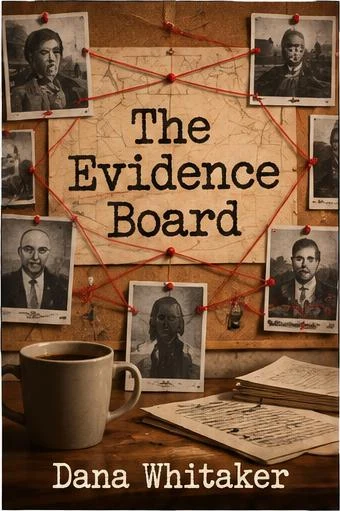
Crime fiction cover: “The Evidence Board” by Dana Whitaker
The Evidence BoardDana Whitaker
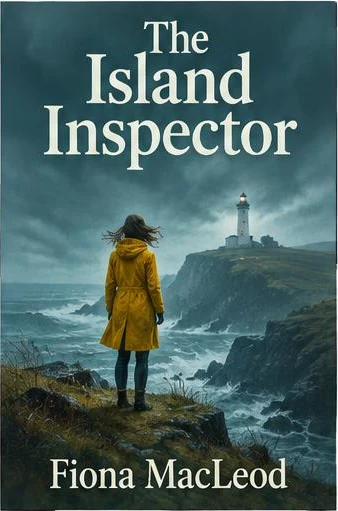
Crime fiction cover: “The Island Inspector” by Fiona MacLeod
The Island InspectorFiona MacLeod
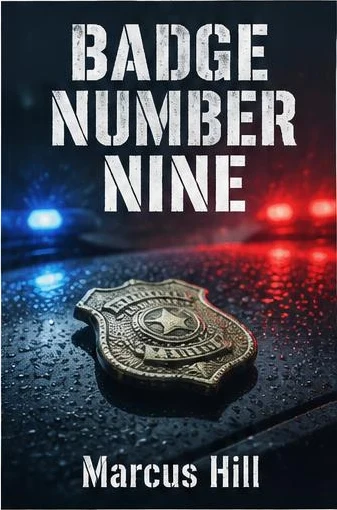
Crime fiction cover: “Badge Number Nine” by Marcus Hill
Badge Number NineMarcus Hill
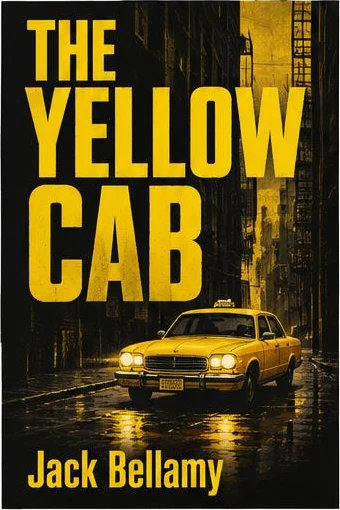
Crime fiction cover: “The Yellow Cab” by Jack Bellamy
The Yellow CabJack Bellamy
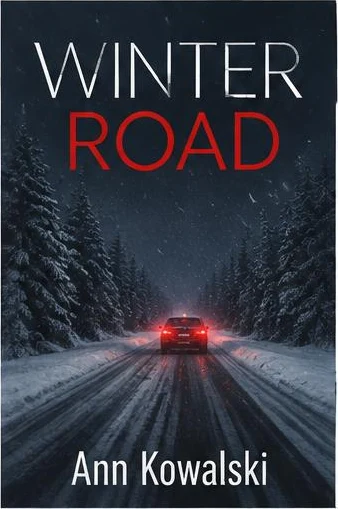
Crime fiction cover: “Winter Road” by Ann Kowalski
Winter RoadAnn Kowalski
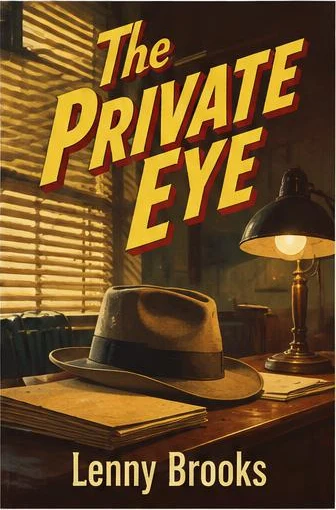
Crime fiction cover: “The Private Eye” by Lenny Brooks
The Private EyeLenny Brooks

Signals of crime fiction

  • The place: a city at night, a harbor, a lonely road, a frozen landscape — crime fiction is often sold by its setting.
  • The investigator: a figure in a coat, seen from behind or in silhouette, under a streetlight.
  • Evidence: crime-scene tape, a badge, a case file, a photo pinned to a board.
  • Weather and light: rain, fog, snow, neon reflections on wet streets.
  • Big serious type: bold sans-serif or condensed serif, usually with the series name.
Noir, procedural or Nordic

Noir wants black, white and one accent — a red dress, a yellow taxi, neon. Police procedurals use photographic covers of cities and roads with strong, clean type. Nordic and rural crime goes cold and wide: snow, empty fields, a single red house. Pick the tradition your book belongs to; readers browse by it.

Questions and answers

Can I show a series detective on every cover?

Yes. Describe the same figure — “a tall woman in a long grey coat” — and use your first cover as a style reference for the next books.

Does the cover need a body or a weapon?

No, and most bestselling crime covers avoid them. A place, a silhouette or a piece of evidence carries the genre without showing violence.

Make a cover for your book

Enter the title, author and genre — in about half a minute you get nine options in different styles. Your first generation is free.

Make a cover